

How community-led agricultural value addition is reshaping opportunity in rural western Kenya
There is a particular kind of wisdom that only comes from standing in a field, listening carefully, and resisting the urge to fix things. The work of Mwandani International has been shaped by exactly that discipline; the hard, humbling practice of facilitation. Not leading. Not building. Not deciding. Facilitating.
The Problem We Cannot Ignore
Kenya’s rural-to-urban migration crisis is not an abstraction. It is a father leaving his shamba (farm or cultivated field) in western Kenya for the promise of Nairobi or Nakuru, only to find no work, no housing, and no way back. It is the 2 million Kenyans who are currently homeless, half of them children.
Rural-urban migration is one of the most powerful engines driving this crisis, largely fueled by a single question: Is there opportunity here, where I already am? For too long, the answer in western Kenya’s agricultural communities has been: not enough. But that is changing, and community-led agricultural value addition is at the heart of how.
What Community-Led Agricultural Value Addition Actually Means
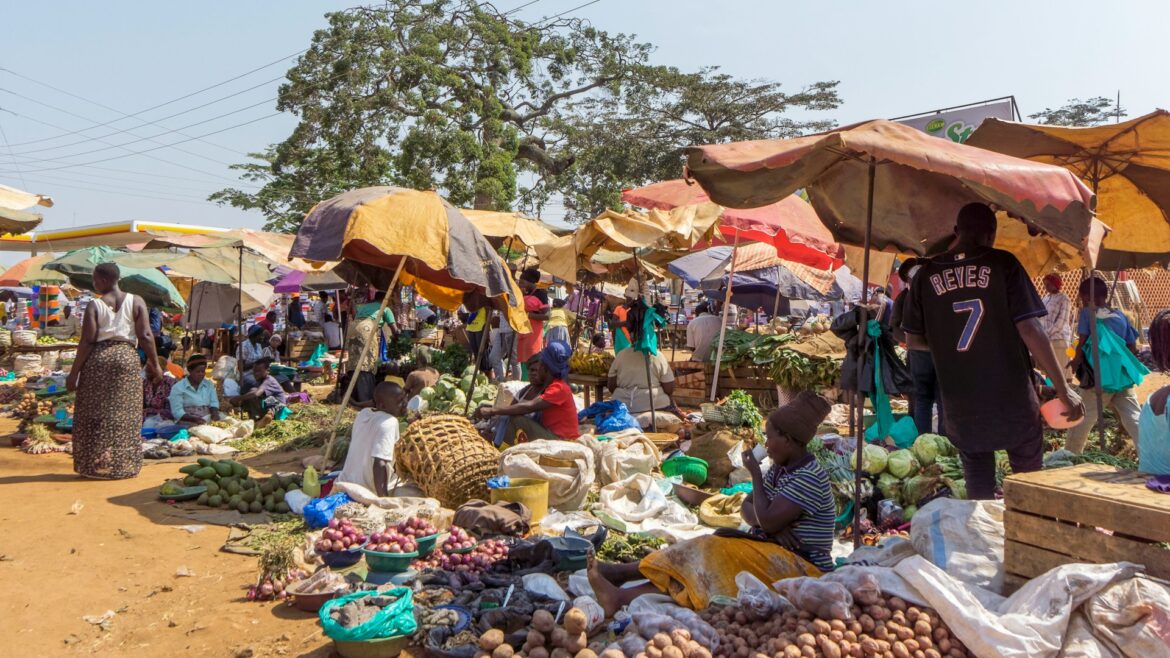
When farmers harvest cassava, mangoes, bananas, or vegetables, much of that produce is lost to spoilage before it ever reaches a buyer. Value addition, processing raw produce into higher-value products like dried fruit, flour, juices, or packaged goods, changes that equation dramatically. Research by the Food and Agriculture Organization (FAO) shows that smallholder farmers who access value-added processing can multiply their income many times over. The
International Fund for Agricultural Development (IFAD) similarly notes that connecting rural producers to processing and market linkages is among the most effective long-term strategies for rural poverty reduction.
This is not a new idea. What is new, and what matters, is how it is pursued.
The Mwandani Approach: Facilitation, Not Dependency
Sustainable change does not come from the outside in. It comes from the inside out.
The Mwandani Approach is built on facilitation rather than direct implementation. We do not establish processing centers or equip them with machinery. We do not position ourselves as the drivers of market access or managers of training programs. We have seen what happens when well-meaning organizations take those roles, communities become dependent, and when the organization leaves, so does the progress.
Instead, we ask: Who in this community already sees this opportunity, and what do they need to pursue it? Community-led agricultural value addition means the vision, ownership, and momentum belong to the people who live and work there. Learn more on our Our Approach page.
Connecting People to What They Need
Mwandani International does not provide training, but we aspire to connect those who seek to add value to entities that do. What rural producers often lack is not the will to learn but the bridge to resources. Mwandani acts as that bridge.
The Kenya Industrial Research and Development Institute (KIRDI) supports small enterprises in food processing, and the Kenya Bureau of Standards (KEBS) provides the food safety and quality frameworks small processors need to navigate. We help make those connections, at the right time, to the right people. That is real and lasting work.
Community-Led Agricultural Value Addition: Markets Are Relationships
When rural producers begin connecting with urban markets, something powerful happens. Demand for locally produced, traceable food products is growing in Kenyan cities. Rural western Kenya has plenty to offer: rich agricultural land, diverse crops, and producers who care deeply about what they grow.
Mwandani’s role is to help those relationships form, and then get out of the way. When a small processor in Kakamega finds a consistent buyer in Kisumu, that is not our success. It is theirs. And it is sustainable precisely because we are not in the middle of it. This connects directly to our broader mission of addressing extreme poverty through opportunity rooted in community.
Apprenticeships: The Learning That Lasts
As community-led agricultural value addition takes root, we anticipate the organic emergence of apprenticeship and skill development opportunities. When a processing enterprise grows, it needs hands. When an experienced processor becomes known for quality, others want to learn from them. The International Labour Organization (ILO) has long documented the power of informal apprenticeship systems in sub-Saharan Africa as engines of skills transfer and youth employment. As processing enterprises grow, they become schools in their own right.
Why Community-Led Agricultural Value Addition Matters Beyond the Farm
It would be easy to read this as a story about food. It is really a story about belonging.
When a young person in rural western Kenya can see a viable economic future where they already live, learn a skill, join an enterprise, access a market, and build a life, they do not have to leave. And when they do not have to leave, the cascading consequences of rural-urban migration, homelessness, street children, and broken families, become less inevitable.
Community-led agricultural value addition is not a silver bullet. But it is one of the most promising and dignity-preserving strategies available for a crisis that touches every corner of Kenyan society.
An Invitation
If you work in food safety, agri-business training, or market development in Kenya, we would love to collaborate. If you are a rural entrepreneur who sees the opportunity in value addition, we want to hear from you. And if you believe rural communities deserve investment and a future, consider supporting our work.
Sustainable change is slow. It is relational. It is unglamorous in the best possible way. And it is exactly the kind of change that lasts.
Mwandani International is a nonprofit working to prevent homelessness in Kenya by strengthening rural economies through community-led agricultural value addition. Learn more at mwandani.org.