

The world is urbanizing at an unprecedented rate. Cities expand, skylines rise, and millions migrate from countryside to concrete in search of opportunity. Yet in this rush toward urban centers, we risk overlooking a fundamental truth: rural communities remain the backbone of our food systems, and rural economic empowerment through agricultural value addition holds the key to breaking cycles of poverty that can lead to urban homelessness.
At Mwandani, we believe rural communities don’t just matter, they’re essential to sustainable development and preventing the displacement that tears families apart.
The Hidden Crisis of Rural-to-Urban Migration
Every year, thousands of young people leave rural western Kenya for Nairobi, Mombasa, Nakuru, Kisumu, Eldoret, and other urban centers. They carry dreams of employment and education, but the reality is often harsh: over 2 million Kenyans experience homelessness, with half being children. Many of these individuals migrated from rural areas seeking opportunity, only to find themselves in Nairobi’s informal settlements like Kibera and Mathare, struggling with unemployment and poverty.
This migration frequently leads not to prosperity but to overcrowded slums where basic services are scarce and economic opportunities remain elusive. The cycle perpetuates itself: rural poverty drives migration, which creates urban homelessness, which reinforces the narrative that there’s no future in rural communities.
The question we must ask is: What if opportunity existed where people already are?
Agricultural Value Addition: The Path to Rural Economic Empowerment
In rural western Kenya, farmers work hard growing maize, beans, vegetables, and other crops. But too often, they remain trapped in subsistence farming, growing food to survive rather than to thrive.
The missing link isn’t effort or skill. It’s agricultural value addition, the foundation of rural economic empowerment.
African countries export raw commodities like cocoa, coffee, and cashew nuts with little value addition. When farmers can only sell raw produce, they’re at the mercy of middlemen, volatile prices, and rapid spoilage. But through processes such as drying, milling, extraction, or packaging, farmers convert produce into value-added products commanding premium prices.
This transformation creates opportunities for farmers to capture more value from their harvest, turning subsistence into sustainable livelihoods.
Why Rural Economic Empowerment Prevents Urban Homelessness
When agricultural value addition takes root in rural communities, several things happen simultaneously:
Economic opportunities multiply. Processing facilities need workers. Packaging requires local suppliers. Marketing creates employment. Transportation networks develop. Suddenly, agriculture becomes not just a way to eat, but a pathway to entrepreneurship.
Young people see a future at home. When decent income is possible from processing agricultural products locally, risky urban migration becomes unnecessary. They can build businesses and support families without leaving.
Communities stay intact. When families aren’t fractured by migration, social structures remain strong. Unlike Global North nations that offer income security in late-life, in areas like Sub-Saharan Africa abject poverty contributes to older adults migrating from rural areas to urban centers in search of a means of livelihood. Rural economic empowerment through agricultural value addition prevents this displacement.
The connection is direct: people from rural areas have migrated to urban city centers for better job opportunities, but infrastructure has struggled to keep up with increasing population numbers. By creating rural economic empowerment opportunities through agricultural value addition, we address homelessness at its source.
The Mwandani Approach: Facilitation, Not Dependency
At Mwandani International, we believe sustainable change comes from empowerment, not dependency. Our role is to facilitate connections, opportunities, and pathways for rural communities to build their own prosperity through agricultural value addition.
We work alongside aspiring entrepreneurs and farming communities in western Kenya, helping bridge the gap between potential and opportunity. Rather than imposing solutions, we connect people with the resources, knowledge, and networks they need to create their own sustainable enterprises.
This facilitation model ensures that economic opportunities are owned and controlled by the communities themselves, creating lasting transformation that continues long after our involvement. When communities lead their own development, success becomes self-sustaining.
The Evidence for Agricultural Value Addition
The potential is enormous. Agriculture accounts for 16 percent of Africa’s annual GDP and employs over half of its labor force, particularly youth and women workers. Yet Africa’s raw cotton, 90 percent, is processed abroad into yarn, fabric, and apparel and re-imported back into the continent, meaning Africa loses jobs, income, and opportunity.
UN Trade and Development confirms that modernization of Africa’s agricultural sector requires concerted efforts to increase the value-added content of production. To achieve this, countries must prioritize the development of productive capacities. When done effectively, rural economic empowerment through agricultural value addition reduces losses, improves incomes, and fosters sustainable rural development.
A Vision for Rural Western Kenya
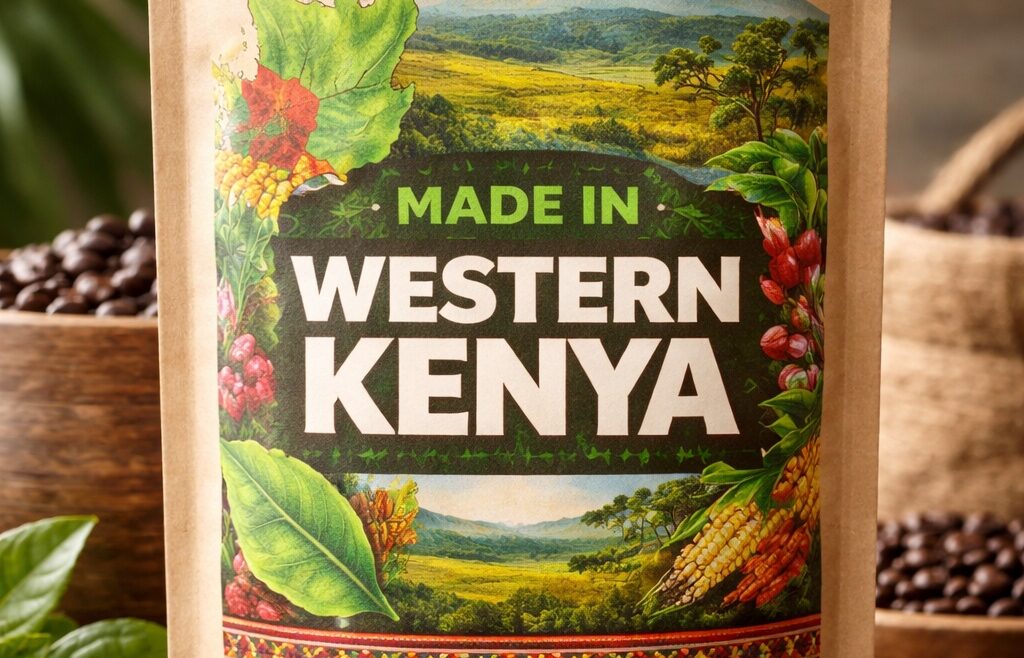
Imagine a western Kenya where young people return from university not to seek jobs in Nairobi, but to launch agribusiness ventures in their home villages. Where farmers’ cooperatives export professionally packaged products bearing “Made in Western Kenya” labels. Where agricultural processing provides stable employment for thousands, and rural towns thrive with businesses serving a prosperous agricultural sector.
This isn’t fantasy. It’s the logical outcome of strategic investment in rural economic empowerment through agricultural value addition, the kind of facilitation and empowerment that Mwandani promotes.
Why Rural Communities Still Matter
Rural communities matter because they feed us. They matter because millions of people call them home. They matter because they hold untapped potential that, properly supported, can drive inclusive economic growth.
Most importantly, they matter because investing in rural economic empowerment through agricultural value addition doesn’t just help farmers, it prevents the urban crises of homelessness, unemployment, and social breakdown that occur when migration outpaces opportunity.
The world is changing rapidly. But sustainable development cannot mean abandoning rural areas to decline while cities strain under unsustainable growth. At Mwandani, we’re committed to demonstrating that rural communities can thrive through rural economic empowerment, not by resisting change, but by harnessing it to create prosperity where it’s needed most.
The question isn’t whether rural communities still matter. The question is whether we’ll invest in their rural economic empowerment potential before more families are torn apart by preventable homelessness.
Mwandani International works to transform rural agricultural communities in western Kenya through facilitation of agricultural value addition, connecting entrepreneurs with resources, training, and markets. Learn more about our work and how you can support rural economic empowerment at www.mwandani.org
Further Reading
Comments 4
Jonathan Mitchell
I agree: The question we must ask is: What if opportunity existed where people already are? I found the example of cotton compelling. Finding a way to grow, harvest, and create a product in country is definitely a value added solution. Your other points that summarize solutions are great too. Keeping communities and families together is a huge benefit of the program.
George Kegode
Thank you so much for your thoughtful comment and for taking the time to engage with the blog post. I’m really glad that the cotton example resonated with you, it’s a powerful illustration of what can happen when value-added opportunities exist right where people live.
You’re exactly right that the larger question we need to keep asking is: What if opportunity existed where people already are? When rural farmers have access to the tools, markets, and capital to grow, process, and sell products in their own communities, the benefits ripple out well beyond a single season’s income. Economic empowerment at the local level strengthens families, sustains cultural ties, and builds resilient communities that can adapt to change over the long term.
Keeping families together isn’t just a social good, it’s an economic one too. When farmers aren’t forced to leave home in search of opportunity, entire local economies become more vibrant and self-sustaining. That’s why solutions focused on value-added agriculture and local enterprise development have such profound, long-term implications.
Thank you again for your engagement and shared commitment to rural communities — these are the conversations that help drive meaningful change.
Jonathan Mitchell
Keeping families together is a triple win. Families stay together. When they stay together in their own rural communities, those communities are stronger. Value added agriculture makes the rural communities economically vibrant.
Jonathan Mitchell
I think this is the key factor: The missing link isn’t effort or skill. It’s agricultural value addition, the foundation of rural economic empowerment. Thank you Mwandani for keeping rural communities whole and vibrant!